The country mullet has made a roaring comeback, transforming from a nostalgic 80s throwback into a modern, rugged style statement. Whether you’re a country music fan, outdoor enthusiast, or simply looking for a bold hairstyle that blends edge with authenticity, the country mullet offers versatility and character. This comprehensive guide will walk you through everything you need to know about getting, styling, and maintaining the perfect country mullet.
What is a Country Mullet?
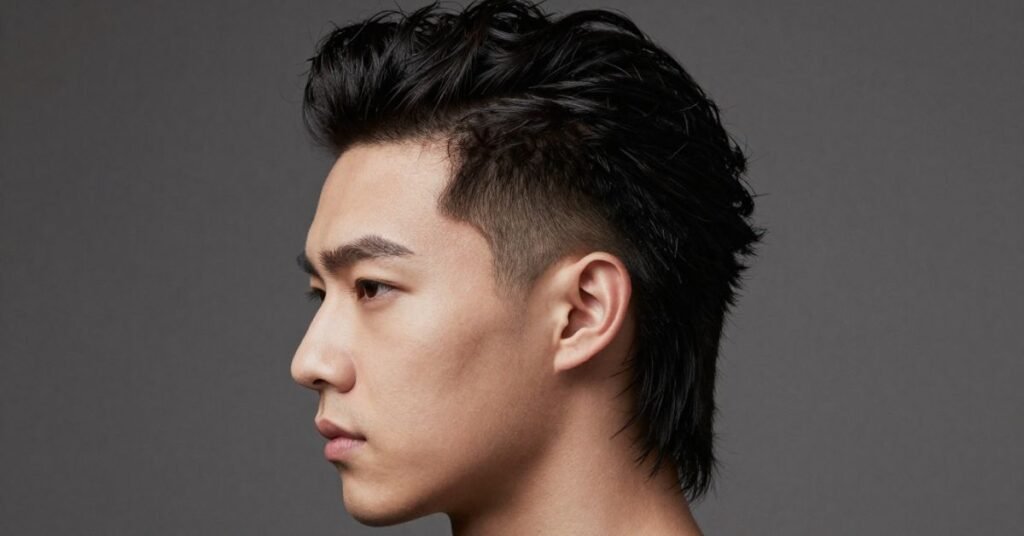
The country mullet is a modern twist on the iconic short-front, long-back hairstyle. Unlike the wild, untamed mullets of the 1980s, today’s country mullet incorporates modern barbering techniques, cleaner lines, and a more refined aesthetic that honours Western and rural traditions.
Key characteristics include:
- Short to medium length on top and sides
- Longer hair flowing at the back (usually touching or past the collar)
- Natural, textured finish rather than overly styled
- Often paired with fades or tapers for a contemporary edge
- Emphasis on masculine, rugged appeal
The modern country mullet represents a blend of heritage and innovation. It’s not just about letting your hair grow out haphazardly—it’s a deliberate style choice that requires planning, proper cutting techniques, and consistent maintenance. This evolution has made the country mullet acceptable in both casual and semi-formal settings, especially within country, Western, and outdoor lifestyle communities.
Country Mullet Variations: Find Your Perfect Style

Not all country mullets are created equal. Depending on your hair type, face shape, and personal preferences, you can customize this iconic cut to suit your unique look.
The Classic Western Mullet
This is the purest form of the country mullet, characterized by natural texture and minimal styling. The top is kept at a moderate length (2-4 inches), sides are slightly shorter, and the back flows freely, often with natural waves or straight texture. This variation works exceptionally well for men with thick, naturally wavy hair and pairs perfectly with cowboy hats, boots, and Western wear.
Best for: Thick hair, oval to square face shapes, those seeking an authentic country aesthetic.
The Taper Fade Country Mullet
For a cleaner, more contemporary approach, the taper fade country mullet combines modern barbering with classic mullet length. The sides feature a gradual fade (low, mid, or high), creating sharp contrast with the longer top and back. This variation is ideal for professional settings or those who want the mullet attitude without appearing unkempt.
Best for: All hair types, round to oval faces, men who want versatility between casual and semi-formal looks.
Curly vs. Straight Country Mullet: Which Suits Your Hair Type?
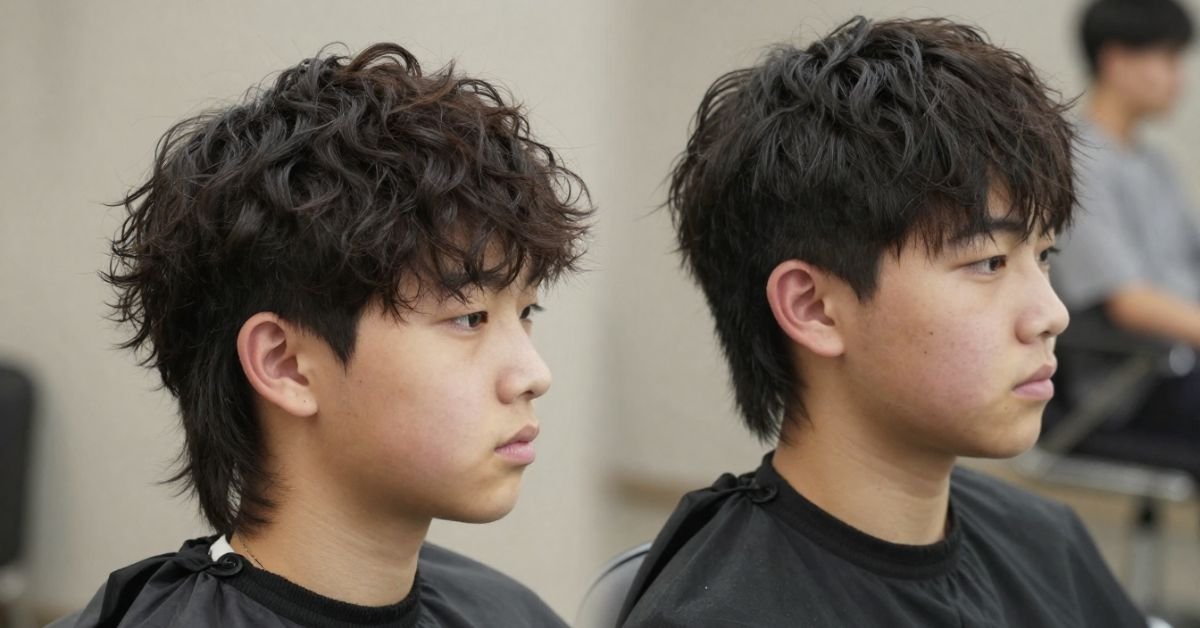
Curly Country Mullet: If you have naturally curly or wavy hair, embrace it! A curly mullet adds volume and texture automatically, creating a bold, eye-catching appearance. The natural movement in your hair brings an effortless, wild energy to the style that’s hard to achieve with straight locks.The key is keeping the curls hydrated and defined with proper products to avoid frizz while maintaining that rugged appeal.
Straight Country Mullet: Straight hair offers a sleeker, more streamlined mullet. While it may require more styling products to add texture and volume, straight mullets photograph exceptionally well and work great for those who prefer a polished yet edgy look.
Pro tip: Regardless of hair type, adding subtle layers throughout prevents the mullet from looking flat or one-dimensional.
Country Mullet for Different Face Shapes

Selecting the perfect mullet style isn’t just about following trends—it’s about understanding how different variations complement your unique facial structure. The country mullet, with its versatile nature, offers plenty of room for customization based on your face shape. When you choose a style that works with your natural features rather than against them, you’ll achieve a look that’s not only on-trend but genuinely flattering.
Oval Face: The Versatile Option
If you have an oval face shape, consider yourself fortunate in the hairstyle department. Your balanced proportions mean almost any mullet variation will work beautifully for you. This gives you the freedom to experiment with different lengths, from shorter, more subtle mullets to dramatic, flowing styles. You can play with various fade options—high, mid, or low—and adjust the length in the back based on your personal preference and lifestyle. Don’t be afraid to try bolder variations or add unique touches like textured layers or even subtle highlights to make the style your own.
Square Face: Softening Angular Features
For those with strong, angular jawlines and a square face shape, the key is creating softness and movement. Opt for softer, more feathered layers throughout, particularly on top, which help balance out the strong angles of your jaw. A medium length on top works exceptionally well, as it draws the eye upward and creates visual interest away from the angular features. A mid-fade is your best friend here—it provides a clean, modern look while maintaining enough hair on the sides to soften the overall appearance. Avoid styles that are too boxy or harsh, as these will emphasize rather than complement your natural bone structure.
Round Face: Creating Length and Definition
The goal with a round face shape is to create the illusion of length and definition. Add considerable height on top through styling products or cutting techniques that encourage upward volume. Keep the sides tighter with a fade—whether you choose a high fade or mid-fade depends on how dramatic you want the contrast to be. This vertical emphasis elongates your face visually. When it comes to the back, avoid letting the mullet become too wide or voluminous, as excessive width will only emphasize the roundness you’re trying to balance. Instead, keep the back length moderate and styled to fall naturally without adding unwanted width.
Long/Rectangular Face: Adding Width and Balance
If your face is longer or more rectangular in shape, your strategy should focus on adding width and creating the appearance of shorter proportions. Choose a mullet style with fuller sides rather than a tight fade—you might even consider a low fade or keeping more length on the sides altogether. Add volume throughout the style, both on top and in the back, to create horizontal visual interest that breaks up the length of your face. Textured, layered cuts work particularly well for this face shape, as they add dimension and movement that draws attention across rather than up and down. The classic country mullet with its fuller profile can be especially flattering for long faces when styled with this balance in mind.
Step-by-Step: How to Ask Your Barber for the Perfect Country Mullet

Communication is everything when it comes to getting the cut you want. Here’s exactly how to explain your vision to your barber:
Bring Visual References Show your barber at least 2-3 photos of country mullets you like. Screenshots from Instagram, Pinterest, or celebrity photos work perfectly. This eliminates guesswork and ensures you’re both on the same page.
Use Proper Barbering Terminology Instead of saying “make it shorter here,” try these professional terms:
- “I want a low/mid/high fade on the sides”
- “Keep the crown at about 3 inches”
- “Taper the neckline but leave length past my collar”
- “Add texture through point cutting or razoring”
- “Blend the transition from sides to back gradually”
Discuss the Back Length Be specific about how long you want the back. Use measurements (collar length, shoulder length) or point to exactly where you want it to end. Remember, you can always cut more later, but you can’t add length back immediately.
Consider Your Styling Commitment Be honest with your barber about how much time you’ll spend styling daily. They can adjust the cut accordingly—more layers for low-maintenance texture or cleaner lines if you plan to use products regularly.
Schedule Regular Maintenance Before leaving, book your next appointment. Sides and fades need trimming every 2-3 weeks, while the back can go 4-6 weeks between trims.
DIY Country Mullet: Can You Cut It at Home?
While getting your initial country mullet cut professionally is strongly recommended, basic maintenance between barber visits is manageable at home with the right tools and caution.
What you’ll need:
- Quality hair clippers with guard attachments
- Sharp hair scissors
- Handheld mirror for viewing the back
- Patience and realistic expectations
Safe DIY maintenance:
- Cleaning up the neckline with clippers
- Trimming split ends on the longer back section
- Tidying sideburns and around the ears
Leave to professionals:
- Creating or adjusting fades
- Significant length changes
- Layering and texturizing
- Fixing mistakes (always harder than preventing them)
If you’re determined to try DIY, start conservatively. It’s better to trim less frequently than to over-cut and ruin your style.
Country Mullet Maintenance: Daily Care & Trimming Schedule
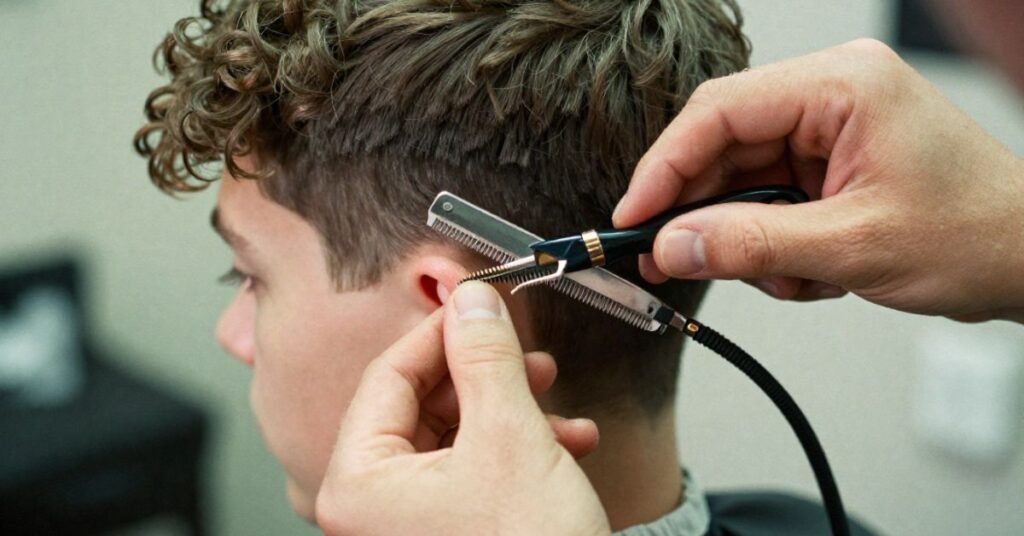
Maintaining your country mullet’s rugged-yet-refined appearance requires consistent care without becoming high-maintenance.
The Golden Rule of Trimming: How Often Should You Visit the Barber?
Sides/Fade: Every 2-3 weeks to keep lines sharp and fades fresh
Back length: Every 4-6 weeks for shaping and removing split ends
Overall shape: Full reshape every 8-10 weeks to maintain proportions
Missing these appointments will cause your mullet to lose its intentional structure and start looking accidentally grown-out rather than deliberately styled.
Daily Styling Routine: Steps for a Fresh Look
Morning routine:
- Rinse or wash: On non-shampoo days, simply rinse with water to reactivate natural oils. Shampoo 2-3 times weekly maximum to prevent dryness.
- Towel dry: Pat don’t rub hair until damp, not dripping. Excessive rubbing causes frizz and breakage.
- Apply product :Work a dime-sized amount of pomade, wax, or sea salt spray through damp hair, focusing on the top and mid-lengths. For the back, use lighter products or none at all for natural flow.
- Style with purpose : Use your fingers to create texture on top. For a more polished look, use a comb to add direction. Let the back air-dry naturally or use a blow dryer on low heat for added volume.
- Final touches : Check the back with a mirror, adjust any pieces, and you’re done.
Evening care: Before bed, lightly brush through your mullet to remove product buildup and prevent tangling, especially in the longer back section.
Best Products for Country Mullet: Expert-Tested Recommendations
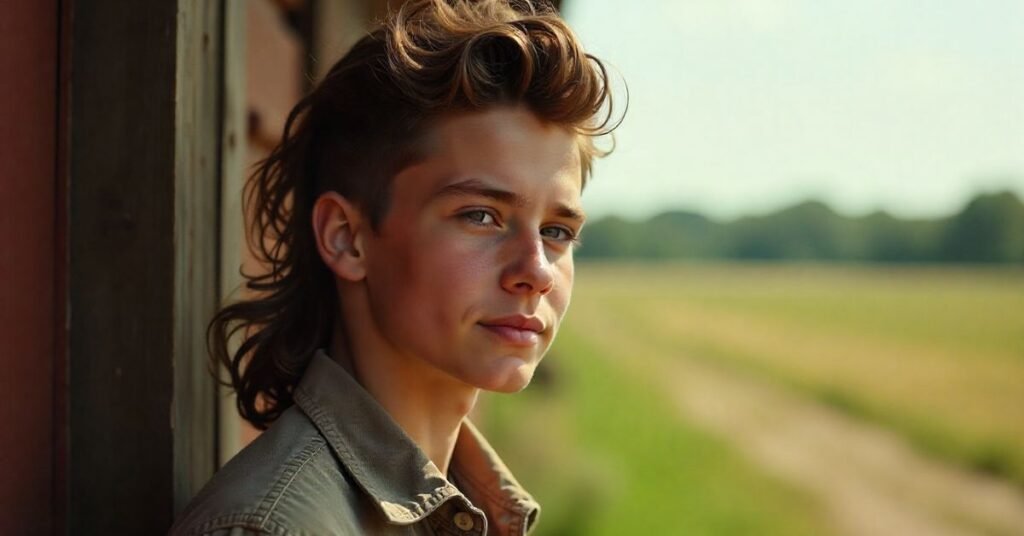
The right products make the difference between a styled country mullet and a messy one. Here are professional-grade options that actually deliver.
Best Pomades & Waxes for Texture
Matte Finish Pomades: Ideal for the natural, non-greasy look that defines country mullets. Look for water-based formulas that offer medium hold without shine.
Top picks: Baxter of California Clay Pomade, Hanz de Fuko Claymation
Fiber Waxes: Perfect for creating separation and texture, especially on straight or fine hair that needs more grip.
Top picks: American Crew Fiber, Redken Brews Wax Pomade
Application tip: Always start with less product than you think you need. You can add more, but removing excess is frustrating.
Sea Salt Sprays for Natural “Country” Volume
Sea salt sprays are game-changers for achieving that effortless, windswept texture that embodies the country aesthetic. They add grit, volume, and hold without looking overly styled.
Top picks: Kevin Murphy Hair Resort Spray, Bumble and bumble Surf Spray
How to use: Spray on damp hair before styling, or mist on dry hair for a refresh throughout the day. Scrunch while applying for maximum texture.
Conditioners & Hair Oils for Healthy Length
The longer back section of your mullet needs extra care to prevent dryness, split ends, and damage especially if you spend time outdoors or wear hats frequently.
Leave-in Conditioners: Apply to the back section after washing to keep hair soft and manageable.
Top picks: It’s a 10 Miracle Leave-In, Paul Mitchell The Conditioner
Hair Oils: For extra shine and protection, especially on curly mullets.
Top picks: Argan oil, jojoba oil, or purpose-made products like Olaplex No. 7 Bonding Oil
Beard Products (If Pairing with Facial Hair)
The country mullet and beard combination is iconic. If you’re rocking both, coordinate your grooming routine.
Beard Oils: Keep facial hair soft and skin underneath moisturized.
Beard Balms: For shaping and holding, especially on longer beards.
Pro tip: Your beard and mullet should look intentional together—keep both groomed or both slightly rugged. Mixing a polished beard with a messy mullet (or vice versa) creates visual disconnect.
Before & After Inspiration: Country Mullet Transformations

Seeing real transformations helps visualize potential. Look for inspiration from:
Modern Country Artists: Morgan Wallen’s signature mullet has become synonymous with contemporary country style. His variation features a textured top with significant length in the back.
Rodeo & Western Athletes: Bull riders and rodeo professionals choose practical country mullets that perform well under cowboy hats and endure demanding physical activity.
Pinterest Boards: Create a private board with 10-15 saved examples. This becomes your reference guide for barber visits and styling inspiration.
Common Mistakes to Avoid
Even with the best intentions, these pitfalls can sabotage your country mullet:
Letting the Sides Grow Too Long The contrast between short sides and long back is what defines the mullet. When sides creep past half an inch, the style loses its structure and starts looking like generic long hair.
Neglecting the Neckline A clean, defined neckline is crucial. Whether you prefer rounded, squared, or tapered, keeping it trimmed prevents the “unkempt” look from crossing into actual messiness.
Over-Washing Washing daily strips natural oils, leaving hair dry and difficult to style. Aim for 2-3 washes per week, using dry shampoo or water rinses between.
Using Too Much Product Heavy product application weighs down hair and creates a greasy appearance. Begin with a small amount—it’s easier to add more than to remove excess.
Ignoring Hair Health Long hair requires nutrition. If you’re not conditioning regularly and protecting from heat/sun damage, your mullet will look brittle and unhealthy no matter how well it’s cut.
Cutting the Back Yourself (Initially) While maintenance trimming is manageable, attempting to create or significantly alter the back length at home almost always results in unevenness. Trust professionals for major changes.
Choosing Style Over Face Shape Not every mullet variation suits every face. Forcing a style that doesn’t complement your natural features will never look quite right, no matter how trendy it is.
How to Style Your Country Mullet for Different Occasions
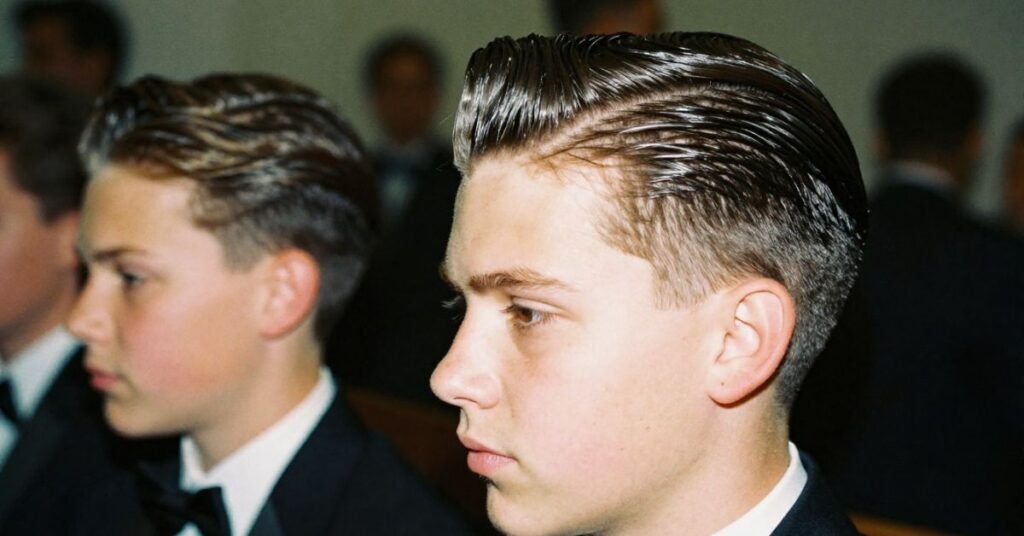
One of the country ‘s greatest strengths is versatility. Here’s how to adapt your look:
Casual/Everyday: Natural texture, minimal product, let the back flow freely. Perfect for outdoor activities, casual hangouts, or daily errands.
Work/Semi-Formal: Add light pomade for control, comb the top back or to the side, ensure the neckline is freshly trimmed. Works for business-casual environments.
Night Out/Events: Increase product for more hold and shine, consider slicking the top back while keeping texture in the back, pair with groomed facial hair if applicable.
Active/Sports: Pull the back into a low ponytail or use a headband to keep hair controlled during intense activities, then release and reshape when done.
Why the Country Mullet is the Timeless Choice for Men

Trends come and go, but the country mullet has proven its staying power for good reason. It’s more than just a haircut it’s a statement of individuality, a nod to heritage, and a practical style that works for real life.
The country mullet celebrates masculinity without toxic aggression, embraces tradition while remaining current, and offers creative expression within a structured format. It’s a cut that says you don’t take yourself too seriously but still care about how you present yourself to the world.
Whether you’re drawn to the aesthetic for cultural reasons, practical benefits, or simply because you think it looks damn good, the country mullet is a worthy investment of time and effort. With proper cutting, consistent maintenance, and the right products, you’ll have a signature look that stands out in the best possible way.
Ready to take the plunge? Find a barber who understands the style, commit to the maintenance routine, and embrace the rugged confidence that comes with rocking a well-executed country mullet.
Conclusion: Rock Your Rugged Look
The country mullet isn’t for everyone and that’s exactly what makes it special. It’s a bold choice that requires commitment, regular maintenance, and confidence. But for those willing to embrace the process, it offers a unique blend of heritage, masculinity, and individual expression that few hairstyles can deliver.
You’ve learned the essentials: how to choose your variation, communicate with your barber, maintain your cut, and style it for any occasion. Now it’s time to act. Find a barber who specializes in modern mullets, gather your inspiration photos, and book that first appointment.
The awkward growth phase will pass. The styling routine will become second nature. And soon, you’ll have a signature look that reflects your personality and stands out in the best way possible.
Ready to join the country mullet movement? Your transformation begins now.
FAQs
Curly vs. Straight Country Mullet: Which Suits Your Hair Type?
The country mullet has made a massive comeback, thanks in part to celebrities like Morgan Wallen who’ve turned this bold hairstyle into a modern style statement. But one question keeps coming up: does your hair texture matter when choosing a country mullet? The answer is yes and understanding how curly versus straight hair affects this iconic look will help you rock the style with confidence.
The Curly Country Mullet: Volume and Texture on Autopilot
Natural Advantages of Curly Hair
If you have naturally curly or wavy hair, embrace it! A curly mullet adds volume and texture automatically, creating a bold, eye-catching appearance. The natural movement in your hair brings an effortless, wild energy to the style that’s impossible to replicate with straight locks. Curls create dimension throughout the back section, making even moderate length look fuller and more dramatic.
Styling Considerations for Curls
Curly-haired individuals should focus on definition and moisture. Use a good leave-in conditioner to keep the longer back section healthy and prevent frizz. Sea salt spray enhances your natural texture without weighing curls down, while a light curl cream can define individual ringlets. The key is working with your natural pattern rather than fighting it.
Potential Challenges
The main challenge with curly mullets is preventing the triangle effect, where the back becomes too wide and unruly. Regular trims every 4-6 weeks help maintain the silhouette and remove split ends. Layering is your friend—ask your barber to add layers that encourage curls to cascade rather than puff outward. With proper cutting techniques like point cutting or texturizing, even the wildest curls can be shaped into a controlled, intentional mullet.
The Straight Country Mullet: Clean Lines and Classic Appeal
Sharp Contrast and Definition
Straight hair offers the clearest expression of the classic mullet silhouette. The contrast between the short front and long back is sharper and more defined, creating clean lines that emphasize the “business in the front, party in the back” philosophy. This clarity makes straight-haired mullets particularly photogenic and easy to recognize.
Easier Daily Maintenance
One major advantage of straight hair is simplified daily styling. A quick application of matte pomade or fiber wax on top, combined with a brush-through of the back, gets you ready in about five minutes. Straight hair holds its shape more predictably and requires less product intervention to look intentional.
Adding Interest to Straight Texture
The potential downside? Straight mullets can look flat without proper styling. Combat this by incorporating texture through your cut—ask for layers and choppy ends rather than blunt cuts. Use sea salt spray to add grit and movement, and consider a slight wave with a blow dryer for special occasions. Even guys with pin-straight hair can achieve a dynamic look with the right techniques.
Hair Thickness Matters Too
Thin Hair Solutions
Thin hair can actually work beautifully for country mullets with the right approach. Layering and texturizing create the illusion of thickness that straight, one-length cuts can’t achieve. A taper fade on the sides creates contrast that makes the top and back appear fuller. Volumizing products like mousse or sea salt spray add body without the heaviness that weighs fine hair down.
Thick Hair Benefits
Thick hair provides natural bulk and substance to both curly and straight mullets. The challenge becomes managing volume rather than creating it. Thinning shears and strategic layering prevent the mullet from becoming too heavy or triangular. Thick-haired guys can pull off more dramatic length differences between front and back without the style looking sparse.
Making Your Decision: Which Style Suits You?
Consider Your Lifestyle
Your daily routine matters. Curly mullets demand more moisture maintenance and product to prevent frizz, while straight mullets need texturizing to avoid flatness. If you wear hats frequently (a common pairing with the country aesthetic), consider how your hair compresses and recovers—curls spring back naturally, while straight hair may need restyling.
Match Your Aesthetic Goals
Are you going for wild and rebellious or sleek and controlled? Curly mullets naturally lean toward the rugged, rock-and-roll vibe that pairs perfectly with boots, denim, and outdoor lifestyles. Straight mullets offer versatility—you can style them polished for formal events or rough them up for casual wear.
Work With What You’ve Got
The truth is, both curly and straight hair can create stunning country mullets. Rather than fighting your natural texture, find a skilled barber who understands how to adapt the proportions and cutting techniques to your specific hair type. The best country mullet is the one that works with your natural hair, not against it.
Universal Tips for Country Mullet Success
Regardless of whether your hair is curly or straight, certain principles apply universally:
Commit to regular maintenance. The sides and fade need trimming every 2-3 weeks to maintain clean lines and prevent the style from losing its shape. The back can go 4-6 weeks between trims.
Invest in quality products. A matte pomade or fibber wax for the top, sea salt spray for texture, and leave-in conditioner for the back form your essential toolkit. Don’t skimp on product quality cheap options often create build-up or fail to hold.
Be patient during the growth phase. Growing a country mullet from a standard short haircut typically takes 6-12 months. The back needs to reach at least collar length to achieve classic mullet proportions. Resist the urge to trim the back during awkward growth phases.
Find the right barber. Not every stylist understands the country mullet aesthetic or knows how to adapt it for different hair types. Seek out someone who specializes in modern barbering techniques like fades and tapers, and who can work with your natural texture.
The Bottom Line
Neither curly nor straight hair is inherently better for country mullets—they simply create different versions of the same bold style. Curly mullets bring automatic volume, texture, and a wild aesthetic that requires managing rather than creating. Straight mullets offer clean lines, easy styling, and versatility that works from rodeos to weddings.
The country mullet has evolved beyond its 80s origins into a modern style statement that emphasizes natural texture and Western aesthetic. Whether your hair forms tight coils or falls pin-straight, there’s a country mullet variation that will suit your hair type, lifestyle, and personal style. The key is embracing what you’ve got and working with a skilled barber who can customize the cut to your unique texture.
So grab your pomade, find a barber who knows their way around a mullet, and get ready to rock one of country music’s most iconic hairstyles—regardless of whether your hair curls, waves, or falls straight as an arrow.
